Spring is here, and you know what that means – it’s time to get your irrigation system up and running again. If you’ve ever dealt with a sprinkler system that just won’t cooperate after a long winter, you’re not alone. The good news? A little preparation can save you from unexpected headaches, like geyser-like leaks or dry patches that make your lawn look less than lush.
So, let’s walk through this together. Here’s your step-by-step guide to getting your sprinkler system back in business without the stress.
1. Don’t Rush – Check the Weather First
Before you even think about turning the water back on, let’s make sure Mother Nature is on board. If you fire up your system too early, when the ground is still frozen, you could end up with burst pipes. A good rule of thumb? Wait until temperatures are consistently above freezing – usually a couple of weeks after the last frost. Trust me, patience now can save you from expensive repairs later.
2. Do a Quick System Check
Now, before we start turning knobs and flipping switches, take a few minutes to inspect everything. Look for any visible damage to pipes, sprinkler heads, and valves. Winter can be rough on outdoor equipment, and even the best systems can take a hit.
- Sprinkler heads – Are they cracked, clogged, or buried under dirt and debris?
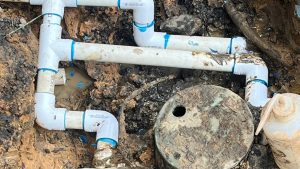
- Pipes and valves – Any visible signs of leaks, rust, or damage?
- Backflow preventer – This little device stops dirty water from contaminating your drinking water. If it’s cracked, it needs immediate attention.
Fixing small issues now will save you from bigger headaches down the road.
3. Slowly Turn the Water On
This is where a lot of people get into trouble. If you turn the water on too fast, the pressure can create something called a “water hammer” – which sounds cool but can actually damage your pipes and valves. Instead, follow this process:
- Find the main water valve and open it slowly. This allows the water to flow in gradually and prevents pressure surges.
- Listen for any strange noises. Hissing or gurgling could mean air is trapped in the pipes. If you hear it, give it a few minutes to settle.
- Walk around your yard and look for leaks or geysers. If something seems off, shut the system down and investigate.
4. Test Each Zone – One at a Time
Once the water is on, it’s time to see if each section of your yard is getting proper coverage. Activate one zone at a time through your irrigation controller (that fancy box that tells your sprinklers when to turn on and off).
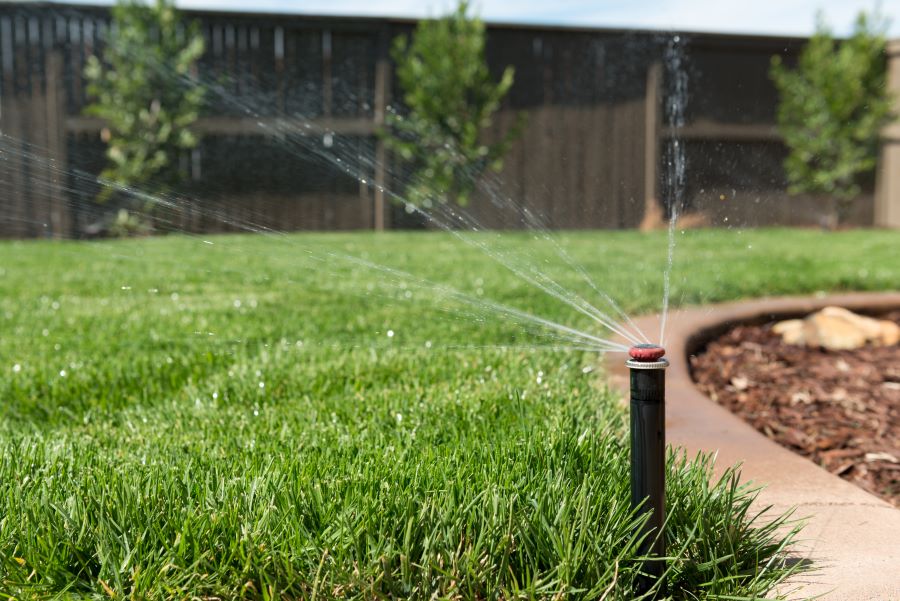
- Check for uneven spray patterns. If some areas are getting soaked while others are barely damp, your sprinkler heads may need adjusting.
- Look for low water pressure. A weak trickle instead of a strong spray? That could mean a leak somewhere in the system.
- See if sprinkler heads pop up properly. If they’re stuck, they might just need a good cleaning – or they might be broken.
5. Adjust and Clean Your Sprinkler Heads
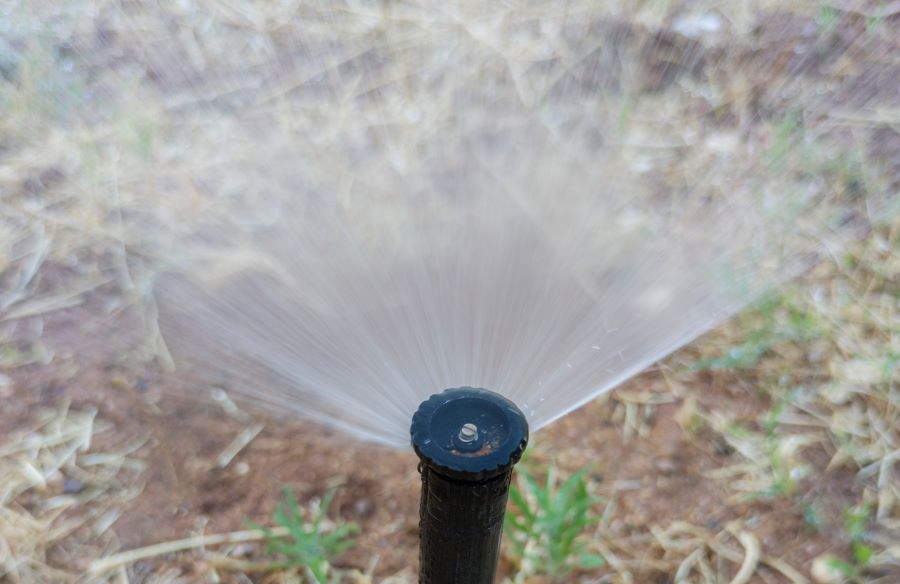
A common issue after winter is clogged or misaligned sprinkler heads. If your system isn’t watering evenly, here’s what to do:
- Clean each nozzle with a small brush or a paperclip to remove dirt and debris.
- Adjust the spray direction by twisting the nozzle so it hits the right spots.
- Replace broken heads before they cause more damage or waste water.
6. Reprogram Your Controller
Your irrigation controller is the brain of your system, and after months of sitting idle, it might need a refresher.
- Check the time and date – If your controller lost power over the winter, the settings might be off.
- Adjust watering schedules – Early spring needs less water than peak summer, so start with shorter run times and adjust as temperatures rise.
- Test rain sensors – If your system has a rain sensor, make sure it’s working. You don’t want to waste water by running sprinklers during a storm.
7. Inspect for Leaks and Pooling Water
Once everything is up and running, do a final walkthrough. Keep an eye out for:
- Water pooling in certain areas – This could mean a leak underground or a poorly adjusted sprinkler head.
- Unusually high water bills – If your water bill suddenly skyrockets, you may have a slow leak that’s wasting gallons without you realizing it.
8. Make a Plan for Ongoing Maintenance
Congrats, your system is officially up and running! But don’t forget – regular maintenance is key to keeping it in good shape all season long.
- Inspect your system monthly for clogs, leaks, and misaligned sprinkler heads.
- Adjust schedules as temperatures change to avoid overwatering or underwatering.
- Schedule a mid-season check-up with a professional if you’re not sure everything is working correctly.
Final Thoughts
Spring startup doesn’t have to be a stressful ordeal. By taking your time, checking for potential issues, and making small adjustments, you can set your irrigation system up for success. And if you ever feel stuck or overwhelmed, don’t hesitate to call in the experts.
Need professional help getting your system up and running? Reach out to T&C Outdoor Specialists for a hassle-free spring startup. Let’s get that lawn looking lush and green – without the stress!