
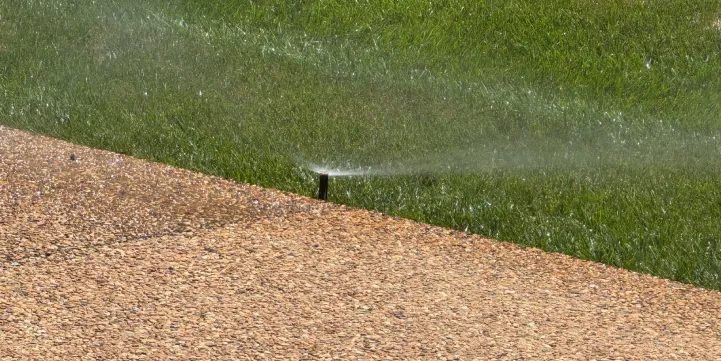
Yes, irrigation systems need to be winterized. If water stays inside the pipes, valves, or sprinkler heads when freezing temperatures hit, it can expand and cause serious damage. Cracked pipes, broken sprinkler heads, and ruined valves are common problems when winterization is skipped. The cost of repairs in the spring is often much higher than winterizing your system properly in the fall.
Why Winterizing Your Irrigation System Matters
Winterizing isn’t just about playing it safe. It’s essential maintenance. When water freezes, it expands. That pressure can split pipes, damage fittings, and ruin parts of your irrigation setup. Winterizing your system helps:
- Prevent frozen pipes from cracking or bursting
- Protect sprinkler heads, valves, and connectors
- Avoid expensive repairs in the spring
- Extend the lifespan of your irrigation system
Skipping this step often leads to frustrating surprises when you turn the system back on in spring.
When You Should Winterize Your System
The timing is critical. Don’t wait until you feel the first freeze; it might already be too late. Here’s when to act:
- Late fall, before overnight temperatures drop below freezing consistently
- After your last use of the irrigation system for the season
- Before ground temperatures dip low enough to freeze buried pipes
If you’re in a climate with mild winters, you might think winterizing isn’t necessary. But all it takes is one surprise cold snap to do real damage. Better to be safe and protect your system than deal with costly repairs later.
How to Winterize an Irrigation System
Winterizing doesn’t have to be complicated, but doing it right makes all the difference. Here’s what’s involved:
1. Turn off the water supply
- Locate and shut off the main water supply to the irrigation system.
- Turn off any automatic timers or controllers to stop scheduled watering.
2. Drain the system
- Open all manual drain valves to release water from pipes.
- If your system has automatic drains, check that they function properly.
- For deeper systems or extra protection, use compressed air to blow out water from the lines. This is often best done by a professional.
3. Protect exposed components
- Insulate any parts of the system that remain above ground, including valves and backflow preventers.
- Wrap these components with insulation tape or covers made for cold weather protection.
4. Inspect and repair
- Use this time to inspect sprinkler heads, valves, and connections.
- Fix any small problems now so you’re not dealing with them next season.
Why Choose T&C Outdoor Specialists for Winterization
T&C Outdoor Specialists doesn’t just install irrigation systems. We maintain and protect them year-round. Winterizing your system with our team means you’re getting expert care and attention to detail.
We understand how local temperatures affect your system and what steps are needed to make sure every line, valve, and head is safe from freeze damage. Whether you’ve got a simple layout or a complex multi-zone setup, we’ll handle it professionally and efficiently. With T&C Outdoor Specialists, you’re not just avoiding costly repairs ; you’re keeping your irrigation system in top shape for the long haul.
Ready to winterize your system?
Don’t wait for the first hard freeze to hit. If you have an irrigation system, winterizing is one of the most important things you can do to protect your investment. Here’s what you should do next:
- Contact us to schedule your winterization service
- Mark your calendar for next year to do it before the first freeze
- Protect your system now so it’s ready to go when spring returns
We’re here to help keep your irrigation system working year after year. Let’s get it winter-ready today.

